How to Spot a Dangerous Tree Before It Falls in Rhode Island
Not all dangerous trees look dead. Some appear healthy until a storm hits—or worse, they fall without warning. For homeowners in Rhode Island and Massachusetts, identifying the early warning signs of a hazardous tree can help you prevent costly damage, injury, and emergency removals.
Here’s how to spot a tree that may be ready to come down—before nature does it for you.
Why Tree Hazards Are a Big Deal in RI and MA
In New England, unpredictable weather, dense neighborhoods, and aging trees make falling limbs (or entire trees) a serious risk. Between nor’easters, hurricanes, and heavy winter storms, homeowners across Rhode Island and Massachusetts face a real need for proactive tree safety.
The good news?
Many dangerous trees show warning signs—if you know what to look for.
1. The Tree Is Leaning Suddenly
A tree leaning naturally isn’t always a problem—but if the lean is new or worsening, it's likely a sign of root damage or soil instability. If the trunk is tilting toward your home, garage, or power lines, you should schedule an inspection immediately.
2. Cracks or Splits in the Trunk
Vertical cracks or deep splits in the bark can indicate structural weakness. These issues may be caused by lightning, internal decay, or strong winds. Over time, they make it more likely the tree will split apart in high winds or heavy snow.
3. Large Dead Branches (Especially at the Top)
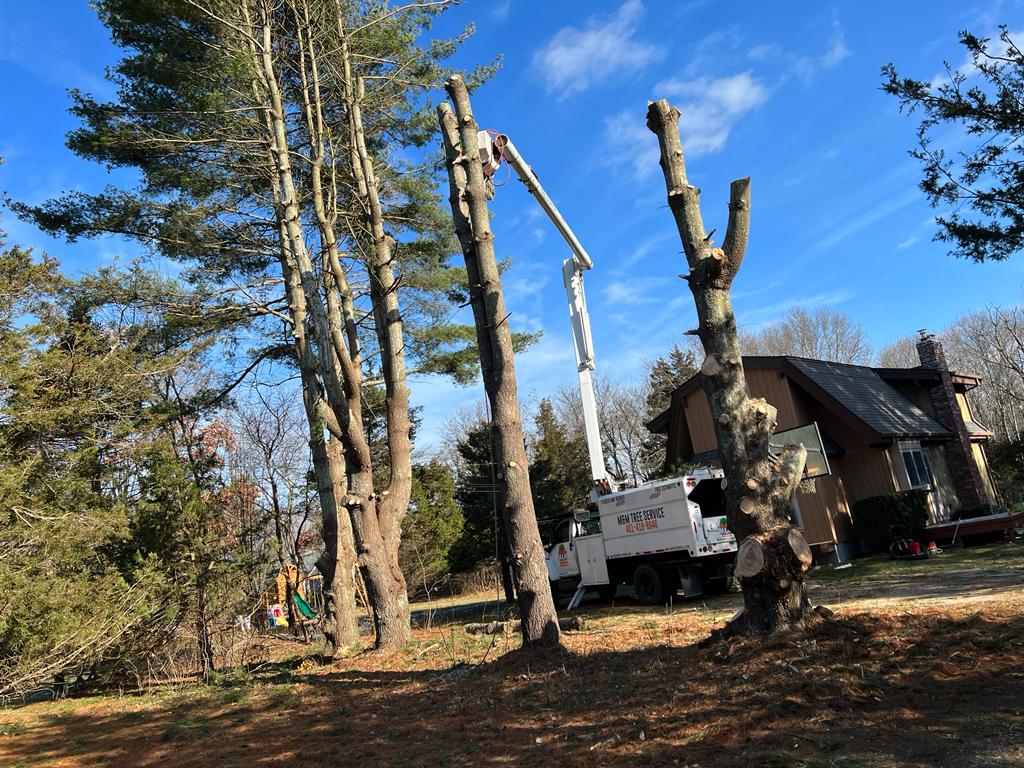
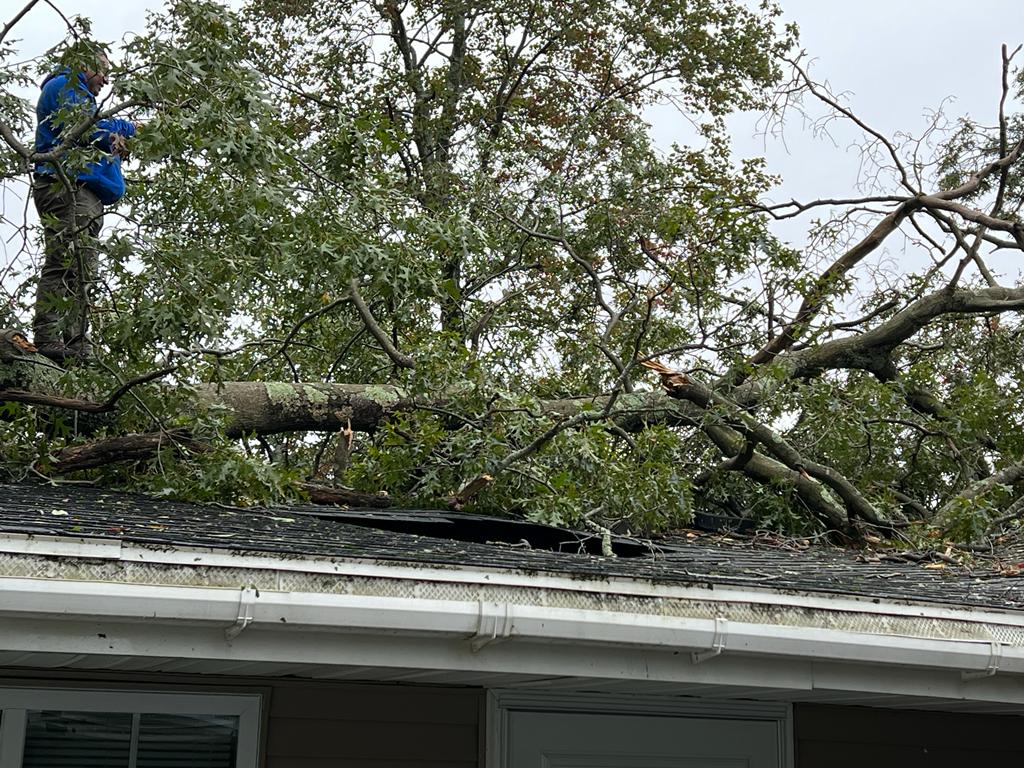
Dead or dying limbs—especially in the upper canopy—can easily snap and fall during storms. If the branches are over your driveway, deck, or roof, they can cause major damage. Deadwood is also an entry point for pests and disease.
4. Mushrooms or Fungus at the Base
Fungal growth at the base of a tree is often a red flag. It usually indicates internal rot in the trunk or major root decay. Trees with compromised root systems are more likely to topple unexpectedly, even in light winds.
5. Soil Heaving or Root Exposure
If you notice mounds, lifted soil, or exposed roots around the base, it may be a sign the tree is moving or becoming uprooted. This is especially concerning after heavy rains or storms in the New England area, where saturated ground leads to instability.
6. Pest or Insect Infestation
Holes in the bark, sawdust around the base, or visible insects like carpenter ants or beetles are signs that pests may be hollowing out your tree from the inside. Infested trees are much weaker and may break or fall without warning.
7. Nearby Trees Have Been Removed or Died
When a neighboring tree is removed, the surrounding trees may be exposed to wind stress they weren’t previously used to. If you’ve had tree work done recently, keep an eye on remaining trees—they may now be more vulnerable.
What to Do If You Suspect a Tree Is Unsafe
Don’t wait for visible damage or an emergency. If you’ve noticed any of these signs—or if something just doesn’t look right—contact a professional tree service to perform a hazard assessment. We’ll determine whether trimming can resolve the issue or if full removal is necessary.
Local Tree Risk Assessments You Can Trust
At M&M Tree Service, we specialize in identifying dangerous trees across Rhode Island and Massachusetts. Our certified team knows the local tree species, weather patterns, and safety protocols to protect your home and family before disaster strikes.
We offer:
- Tree inspections and risk assessments
- Emergency removal services
- Preventative trimming
- Free estimates throughout RI and MA
Schedule Your Stump Grinding Service in RI Today
If you're unsure about the safety of a tree on your property, don’t guess—get a professional opinion. One quick inspection could prevent thousands in storm damage.
Call M&M Tree Service today to schedule your tree assessment in Rhode Island or Massachusetts.
Give us a call when you have a tree issue or have a project in mind around your property. We're available 24/7 and will get back to you as soon as we can. Call Now: (401) 419-8846